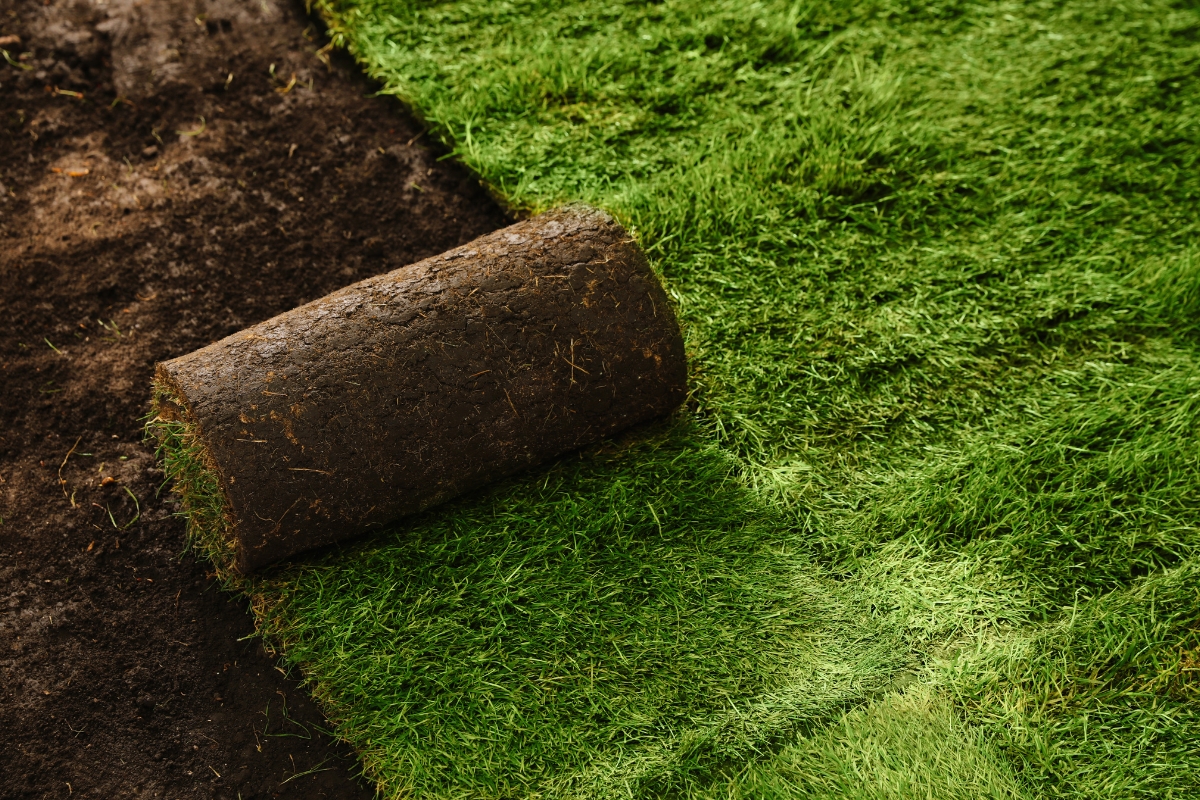
Sod Installation Cost in Utah (2026): Price Per Square Foot & Why Fall Wins
Quick answer: Professionally installed sod in Utah runs $1.50–$2.50 per square foot in 2026, including fine grading, soil prep, delivery, and installation. The sod itself — almost always Kentucky bluegrass here — is only $0.45–$0.85 of that; the rest is the prep that decides whether the lawn thrives or dies. A typical 2,500 sq ft front-and-back install lands between $3,750 and $6,250. And if you’re deciding when to do it: September is the best month to lay sod in Utah, not spring.
Sod is one of those projects where the quote spread confuses people. One company says $1.25 a foot, another says $2.75, and both are looking at the same yard. The difference is almost never the grass — it’s what each contractor plans to do to the dirt underneath it. So let’s break the number apart.
Where the Money Actually Goes
| Component | 2026 Utah Cost | What It Covers |
|---|---|---|
| Sod (Kentucky bluegrass blend) | $0.45–$0.85 / sq ft | The rolls themselves, from a Utah sod farm, cut fresh |
| Delivery | $75–$250 per load | Sod is perishable — it needs to go down within 24 hours of cutting in summer |
| Tear-out of existing lawn or weeds | $0.25–$0.60 / sq ft | Stripping dead turf, hauling it off, killing what’s trying to come back |
| Topsoil (where needed) | $25–$50 / cubic yard delivered | Most new-build lots need 2–4 inches of real soil over the builder’s fill |
| Fine grading | $0.30–$0.75 / sq ft | Setting slope away from the house and smoothing so the lawn doesn’t hold puddles |
| Installation labor | $0.35–$0.60 / sq ft | Laying, staggering seams, rolling, cutting around beds and sprinkler heads |
Stack those and you see why $1.50–$2.50 installed is the honest range — and why a $1.25 bid usually means someone is planning to unroll grass onto whatever surface is already there. Sod laid on unprepared ground roots poorly, dries in strips, and shows every low spot by the second summer.
Cost by Lawn Size
| Lawn Size | Typical Project | 2026 Installed Range |
|---|---|---|
| 1,000 sq ft | Small front yard or park strip area | $1,500–$2,500 |
| 2,500 sq ft | Standard front + back on a newer lot | $3,750–$6,250 |
| 5,000 sq ft | Full yard on a quarter-acre lot | $7,500–$12,500 |
| 8,000+ sq ft | Big Riverton / Herriman style lot | $12,000–$20,000 |
Per-foot pricing drops a little as size goes up — mobilization and delivery spread across more area — but access matters more than size. A backyard that a skid steer can reach through an RV gate preps fast. A backyard where every yard of soil goes through a 36-inch side gate in a wheelbarrow preps slow, and labor is the biggest line item on the job.
Why September Beats May for Sod in Utah
Everyone wants a lawn in spring. But ask anyone who’s laid sod for a living and they’ll tell you the best window on the Wasatch Front is roughly Labor Day through mid-October:
- The soil is still warm from summer — roots establish fast — but the air is cooling, so the sod isn’t fighting 95° afternoons that bake the edges of every roll.
- Evaporation drops, so the twice-daily establishment watering actually stays in the root zone instead of disappearing by noon.
- Weed pressure collapses. Crabgrass and spurge are done germinating for the year, so the new lawn faces almost no competition.
- It roots all fall, sleeps all winter, and wakes up established. A September lawn comes out of March looking like it’s been there for years. A May lawn spends its first summer in survival mode.
Spring (April–May) is a fine second choice. The window to avoid is July and early August — sod laid in peak heat can survive, but it needs heroic watering exactly when Utah watering schedules are tightest, and the failure rate on edges and seams is the highest of the year. If you’re reading this in early August: waiting four weeks is the better project, and it gives you time to fix the underlying grade and irrigation first.
The Prep That Decides Everything
Three things determine whether sod thrives, and all three happen before a single roll goes down:
- Grade. The lawn needs to fall away from the house — the same 6-inches-in-10-feet standard we walk through in our yard drainage and grading guide. Sod hides a bad grade for about a season, then the puddles, fungus patches, and the soggy strip along the foundation show up.
- Sprinklers first, always. Heads get set to final grade, coverage gets tested head-to-head, and dry corners get fixed before sod goes down — moving a line under an established lawn means cutting it open. If the system needs work, our sprinkler installation cost guide covers what zones, valves, and smart controllers run in 2026.
- Soil depth. Kentucky bluegrass wants 4–6 inches of real rooting soil. New-construction lots along the Mountain View Corridor are notorious for a thin skin of topsoil over compacted fill — sod on that looks great for exactly one summer.
Sod vs Seed vs Taking Lawn Out Entirely
| Option | 2026 Cost | Time to Usable Lawn | The Catch |
|---|---|---|---|
| Sod, installed | $1.50–$2.50 / sq ft | 2–3 weeks | Highest upfront cost |
| Seed, professionally prepped | $0.50–$1.00 / sq ft | 2–3 months, a year to look full | One missed watering week in a Utah summer can wipe it out |
| Xeriscape conversion | $8–$16 / sq ft | Immediate | Bigger upfront spend, but it’s the last time you pay for that square footage |
The honest framing we give clients: keep lawn where you actually use it — kids, dogs, bare feet — and stop paying to water the areas you only ever walk past. That’s the Localscapes logic, and the math on converting the never-used zones is in our xeriscaping cost guide, including the per-square-foot rebates some Utah water districts pay for removing turf. A lot of our best projects are hybrids: new sod in a right-sized central lawn, water-wise landscaping around it, and the whole thing plumbed correctly once.
Our Take
Sod is the fastest transformation in landscaping — dirt to finished lawn in a day — but it’s a finish material, and finish materials are only as good as what’s under them. Spend the money on grade, soil, and irrigation, in that order, and the cheapest part of the project is the grass. Skip them and the most expensive part of the project is doing it twice.
If you’re planning a bigger overhaul — concrete, fence, lawn, the works — sod goes in last, after the flatwork and trenching are done. The sequencing logic for combined projects is laid out in our backyard transformation guide.
Want a Lawn That’s Actually Flat, Green & Rooted?
We grade, fix the sprinklers, and lay fresh-cut Utah sod as one crew — and September install slots are filling now. Estimates are free and usually back within 24 hours.
Get Your Free Estimate