Xeriscaping in Utah: 2026 Cost, Water Savings & Rebates
Quick answer: A professionally designed and installed xeriscape in Utah runs $8–$16 per square foot in 2026 — roughly $2,000–$5,000 for a park strip flip, $8,000–$18,000 for a typical front yard, and $15,000–$40,000+ for a full-yard conversion with hardscape. Lawn is the single biggest water user at most Utah homes, and converting it to waterwise planting on drip typically cuts that area’s outdoor water use by 50–70%. Utah’s state-backed rebate programs (via utahwatersavers.com) pay per square foot of converted lawn in participating districts — and mid-summer, when your July water bill lands and the lawn is browning anyway, is exactly the right time to design a fall conversion.
Every July we get the same call: the secondary water is restricted, the lawn looks rough despite the sprinklers running four nights a week, and the homeowner is done fighting it. Xeriscaping is the right answer more often than not — but the word covers everything from a $2,000 park strip flip to a $40,000 full-yard redesign, and there’s a wrong way to do it that we spend a lot of time tearing out. Here’s the straight version.
What Xeriscape Actually Means (It’s Not a Rock Yard)
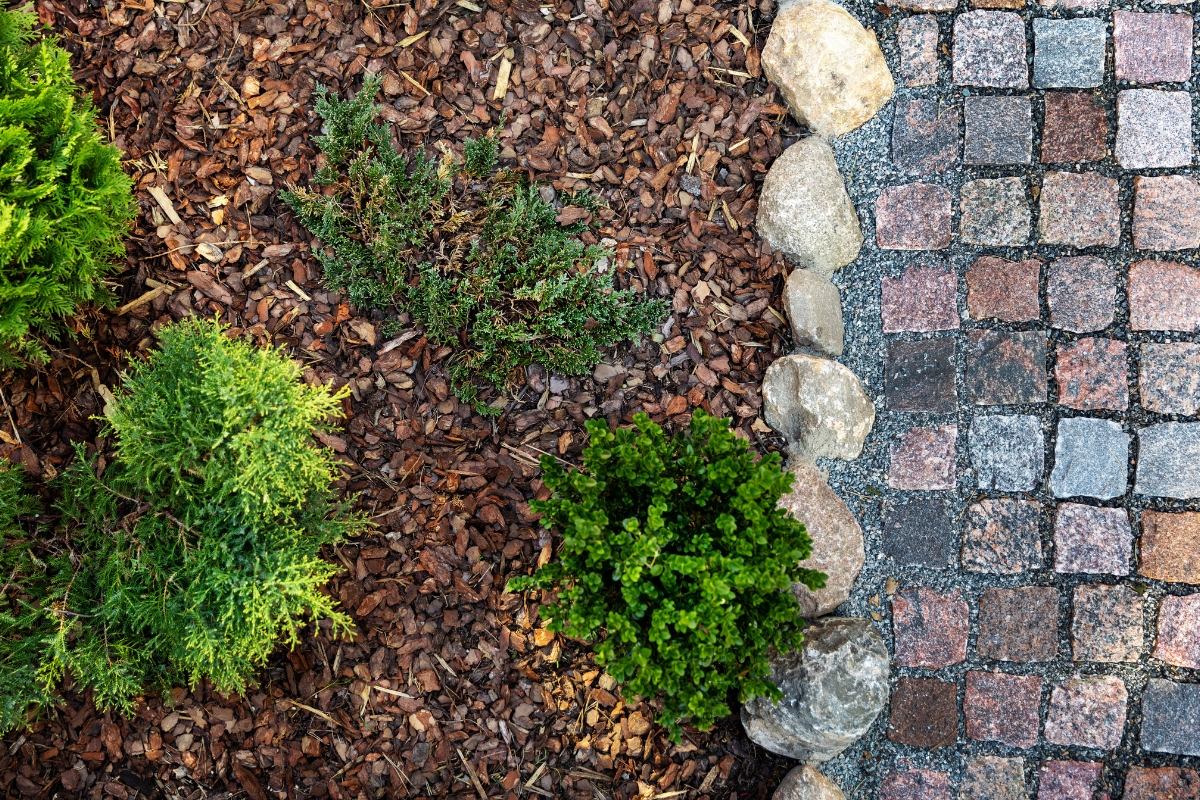
Xeriscape doesn’t mean “zero-scape” — a yard of bare gravel with three boulders. Utah’s own conservation standard (the Localscapes approach developed for Utah yards) is built around keeping a smaller, purposeful patch of lawn where it earns its place — kids, dogs, bare feet — and converting the rest to layered waterwise planting on drip irrigation, connected by hardscape paths and gathering areas.
That distinction matters for two practical reasons:
- Gravel-only yards get hot. Un-planted rock over fabric radiates heat into your home’s west-facing windows all evening and can push the surrounding air temperature up several degrees. Plants shade the rock and transpire; that’s what keeps a waterwise yard livable in a Utah July.
- Rebate programs require plants. Utah’s lawn-conversion rebates generally require minimum plant coverage at maturity (commonly 50%) and drip irrigation — a plain rock-over-fabric conversion won’t qualify.
2026 Xeriscaping Cost in Utah by Project Scope
| Project | Typical Size | 2026 Installed Cost | Notes |
|---|---|---|---|
| Park strip flip | 150–400 sq ft | $2,000–$5,000 | Highest rebate eligibility; kills the hardest-to-water turf on the property |
| Front yard conversion | 800–1,500 sq ft | $8,000–$18,000 | Design, demo, soil prep, drip conversion, plants, mulch/rock |
| Full yard conversion | 2,500–5,000 sq ft | $15,000–$40,000+ | Usually phased; upper end includes patios, walkways, boulders |
| Budget DIY-grade conversion (rock + fabric only) | any | $3–$6 / sq ft | Cheapest up front — but see the heat and weed problems below |
| Drip irrigation retrofit (existing sprinkler zones) | per zone | $350–$900 | Converts spray heads to pressure-regulated drip with filter |
| Add-on: boulders, steel edging, decorative gravel upgrades | — | $1,000–$5,000 | The difference between “converted” and “designed” |
The spread inside each range is mostly plant density and hardscape. Sparse 1-gallon plantings hit the low end; a design with 5-gallon anchor shrubs, steel edging, and a flagstone path hits the top. Slopes add cost — if your conversion involves a grade change, a retaining wall may be part of the honest scope.
The Water Math
In northern Utah, a conventional lawn needs roughly 25–30 inches of applied irrigation per season. Waterwise plantings on drip, once established, need a fraction of that — and drip puts water at the root zone instead of misting it into a 100°F afternoon wind. Real-world results from lawn-to-xeriscape conversions consistently land in the 50–70% reduction range for the converted area.
For a typical 2,000 sq ft of converted turf, that’s tens of thousands of gallons per season. What that’s worth on your bill depends on your city’s tiered rates — and if you’re on unmetered secondary water, the payoff shows up as compliance and a living yard during restriction years rather than dollars. Either way, the maintenance saving is real: no weekly mowing, no fall aeration, no sprinkler-head repairs every spring.
Two honest caveats. First, xeriscape is not zero-maintenance — it’s low-maintenance. Expect seasonal pruning, occasional weeding (much less if the install was done right), and drip filter checks. Second, new plantings need regular water for the first one to two seasons to establish. The savings arrive in year two, not week two.
Utah Rebates: Check Before You Demo
Utah runs statewide lawn-conversion incentives through utahwatersavers.com (the “Flip Your Strip” park strip program and broader landscape conversion rebates), paid per square foot of qualifying converted lawn in participating water districts. Rates and rules vary by district and change year to year, so treat the website as the source of truth. Three things that trip people up:
- Apply and get approval before removing any lawn. Pre-existing demo almost always disqualifies the project.
- Plant coverage and drip requirements apply — the program is designed to prevent exactly the gravel-only conversion we warned about above.
- Your city may stack additional incentives on top of the district rebate. Worth one phone call to your city’s water conservation office.
We design to rebate spec by default when a client’s district participates — it’s free money that also happens to enforce good design.
Mistakes That Turn Xeriscape Into a Tear-Out
- Plastic sheeting under rock. Suffocates the soil, traps water, and still grows weeds in the dust that settles on top. Use woven landscape fabric sparingly, or better, 3–4” of rock or bark mulch over healthy soil.
- Leaving the spray irrigation running on the new beds. Spray heads water everything — including every weed seed. Converting zones to drip is what actually kills the weed pressure and captures the water savings.
- Ignoring soil prep. Most Wasatch Front soils are heavy clay or alkaline fill. Waterwise doesn’t mean plants survive in concrete-hard subgrade; beds need ripping and amendment before planting.
- Planting a July install without an establishment plan. Fall (September–October) is the best planting window in Utah — roots establish in cool weather with almost no irrigation. Mid-summer is the right time to design and get on the schedule, not to plant.
- No design at all. A yard converted plant-by-plant from the clearance rack reads as patchy within two years. The designed versions are what raise resale value — see our backyard transformation ideas for Salt Lake City homes for what cohesive looks like.
And if your sprinkler system is due for repair anyway, fold the drip conversion into that work instead of paying for two mobilizations — our sprinkler system installation cost guide covers what zones and retrofits run in Utah.
Our Take
The best-value xeriscape project in Utah is almost always the park strip: it’s the most rebate-eligible square footage you own, the hardest to water legally (spray overspray onto the sidewalk is the first thing enforcement flags in restriction years), and the most visible from the curb. Start there, live with it for a season, then phase the front yard. Homeowners who convert in phases end up happier — and spend less — than the ones who bulldoze everything in one emotional July weekend.
Ready for a Yard That Survives a Utah Summer?
We design and install waterwise landscapes, drip conversions, and park strip flips across West Jordan, greater Salt Lake County, Utah County, and Davis County — built to rebate spec where your district participates. Estimates are free.
Get Your Free Estimate